
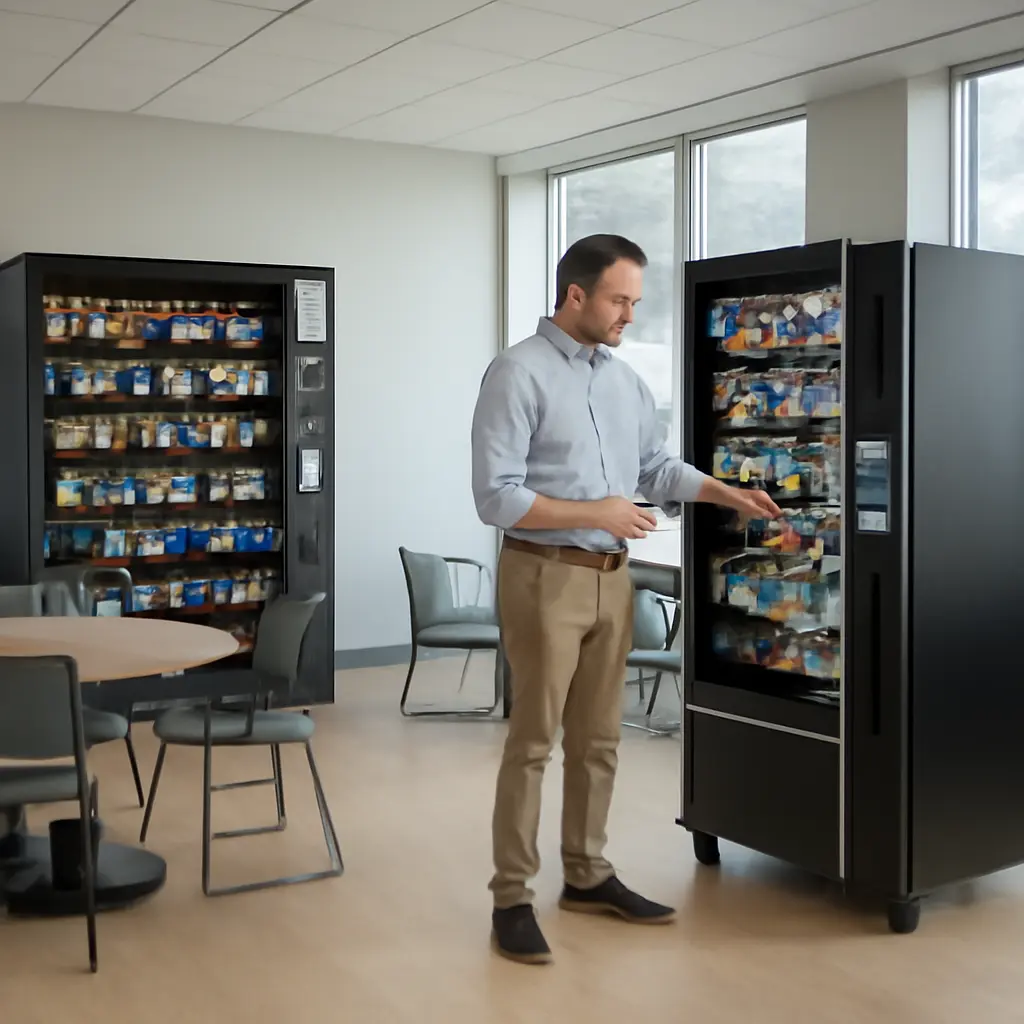
Vending contracts change over time because property needs, operating costs, tenant expectations, and technology change. A vending contract is an agreement governing how a vending operator serves a property and how the parties allocate responsibilities, revenue, and risk. Property managers should revisit terms as usage patterns shift, equipment ages, prices rise, or service falls short—not simply let an outdated agreement renew automatically. The U.S. Bureau of Labor Statistics’ Consumer Price Index tracks changing prices for food and beverages, while the National Automatic Merchandising Association (NAMA) reports on the scale and evolution of the convenience-services industry. Together, these factors help explain why contract reviews, performance measures, and clear renewal terms matter.
Why vending contract terms change for property managers
A vending contract is a practical operating arrangement, not a permanent template. It sets out what the vendor supplies, what the property provides, how service is measured, and what happens when conditions change. The agreement may cover snack and beverage machines, coffee service, micro-markets, or other unattended retail options. Each format has different space, staffing, equipment, and payment requirements, so a contract suited to one may not fit another.
There is no universal schedule for changing vending contracts. A review is useful when a building changes occupancy, resident or employee preferences shift, equipment becomes unreliable, or the vendor’s costs and capabilities change. Managers can use sales reports, service logs, complaints, and tenant feedback to establish whether the agreement still meets the property’s needs.
Changing property use and customer demand
Customer demand means the products, hours, and access options users expect. An office that shifts to hybrid work may have fewer customers on some weekdays; an apartment building may see demand for different products than a hospital or factory. When foot traffic or opening hours change, product selection, machine capacity, restocking frequency, and the vendor’s route schedule may need adjustment.
A property manager can validate these changes with transaction data, occupancy information, and feedback rather than relying on anecdotal complaints alone. NAMA’s industry research describes a diverse convenience-services sector that includes vending and other unattended retail formats. That breadth makes it important to specify the actual service model in the contract instead of using “vending” as a catch-all.
Costs, prices, and revenue arrangements
Operating costs influence what a vendor can offer and what customers pay. Product, transport, labor, payment-processing, and equipment costs may change during a multiyear term. The Bureau of Labor Statistics’ Consumer Price Index provides measures of price movement, including food-related categories; it is useful context, but it does not by itself determine the correct price for a particular machine or property.
Contracts may address cost changes through defined price-review periods, notice requirements, or limits on increases. They may also set commissions, minimum guarantees, or other revenue-sharing terms. Managers should ask for transparent reporting and clarify whether a commission is calculated on gross sales, net sales, or another defined basis. These distinctions affect the property’s actual return.
How vending contract terms evolve
Contract evolution is the adjustment of service and commercial terms as operating conditions change. A sound agreement identifies which terms can be updated, who approves changes, how much notice is required, and how unresolved issues are handled. The main areas of change usually involve service performance, equipment and payment technology, and risk allocation.
Service levels and performance measures
Service-level terms define the vendor’s responsibilities in measurable ways. They can include restocking frequency, response times for breakdowns, cleaning standards, product availability, complaint handling, and reporting. A general promise to provide “regular service” is difficult to enforce; a specific obligation, such as a stated response window for a reported outage, is easier to assess.
Performance should be reviewed using evidence such as stockout records, service tickets, machine uptime, and customer complaints. The contract can require periodic reviews and corrective-action plans when agreed standards are missed. This gives both parties a process for improving service before the manager has to consider termination.
Equipment, payment, and product changes
Equipment clauses address installation, ownership, maintenance, replacement, and removal. Payment terms may need revision when a vendor adds contactless or mobile payment options, or when a property changes network or security requirements. Managers should establish who pays for upgrades, who handles transaction disputes, and what happens to machines and data when the contract ends.
Product requirements can also evolve. A property may request healthier choices, allergen information, specific brands, or limits on certain products. Such changes should be recorded as an agreed assortment or selection standard, with a process for substitutions when items are unavailable. Clear rules reduce misunderstandings while preserving flexibility for supply disruptions.
Insurance, compliance, and allocation of risk
Risk-allocation clauses explain which party is responsible for particular losses, claims, and obligations. Depending on the property and service, relevant terms may address insurance coverage, food handling, accessibility, electrical safety, data security, and responsibility for damage caused during installation or servicing. Requirements vary by location and business arrangement, so property managers should have qualified counsel review language rather than assume a standard clause covers every exposure.
The agreement should also identify required insurance certificates, notice of policy changes, and procedures for reporting incidents. For payment-enabled equipment, managers can ask what customer information is collected, how it is protected, and whether the property’s systems are involved. Specific responsibilities are more useful than a broad statement that the vendor will comply with all applicable rules.
A practical review process for vending agreements
A structured review helps managers distinguish a temporary service problem from a contract that no longer fits. Before renewal or renegotiation, compare the written obligations with actual performance and the property’s current requirements.
- Gather sales summaries, service records, outage reports, complaints, and relevant occupancy or foot-traffic trends.
- Check the agreement’s renewal dates, notice deadlines, price-change provisions, exclusivity, termination rights, and equipment-removal requirements.
- Ask tenants, residents, or staff what is working and what products, hours, or payment options are missing.
- Compare the current service with alternatives, including different machine configurations or unattended retail formats, where appropriate.
- Document agreed changes in a signed amendment or replacement agreement, including effective dates and responsibility for implementation.
For example, if an office property’s weekday occupancy falls after a move to hybrid work, sales may no longer support the previous restocking schedule. The manager and vendor could review transaction patterns, revise delivery frequency, adjust the product mix, or consider a different service format. This is an illustrative scenario, not a claim about a specific property or measured case study.
Conclusion: manage vending contracts as ongoing operations
Vending contracts change as customer demand, operating costs, service expectations, equipment, and risk requirements change. Property managers can respond effectively by defining measurable service levels, making price and revenue terms transparent, clarifying equipment and technology responsibilities, and reviewing performance before renewal deadlines. Use property-specific evidence to guide negotiations, document every agreed change, and consult qualified legal or procurement professionals when terms affect significant financial or compliance risks.
Sources: U.S. Bureau of Labor Statistics, Consumer Price Index, https://www.bls.gov/cpi/; National Automatic Merchandising Association, Industry Resources and Research, https://www.namanow.org/

